Post Operative Lymphatic Care
Working with a post-operative body requires far more than knowing how to perform Manual Lymphatic Drainage.
Healing changes week by week. Swelling evolves. Tissue changes. Complications can arise. And the treatment that was appropriate last week may not be appropriate today.
This is where many therapists begin second-guessing themselves:
Am I working too deeply?
Am I treating the right area?
What should I change today?
This diploma is designed to bridge that gap. You'll learn how to understand the healing body, recognise what is happening beneath your hands and make safe, informed clinical decisions throughout recovery.
Next practical date:
24th & 25th October
Burntisland, Fife (KY3 9AP)
Hybrid Training
Comprehensive online theory, two supervised practical training days and supported case study assessment.
The aim is not to give you one post-operative protocol. It’s to help you understand what you’re seeing, what you’re feeling beneath your hands, and what that means for the treatment you choose.
The demand is already there
In 2024 alone, an estimated 27,462 people in the UK underwent cosmetic surgery (BAAPS).
A further 523,000 people travel abroad each year for surgery from the UK.
And that doesn’t include:
• non-elective surgeries
• medical procedures
• or reconstructive work
More surgeons are now recommending post-operative lymphatic drainage as part of aftercare.
These clients don’t just need one treatment. They need:
• ongoing support
• multiple sessions
• and therapists who understand what they’re doing
But here’s the problem:
Even highly trained lymphatic therapists are not equipped to deal with post-surgical bodies.
Meet your educator
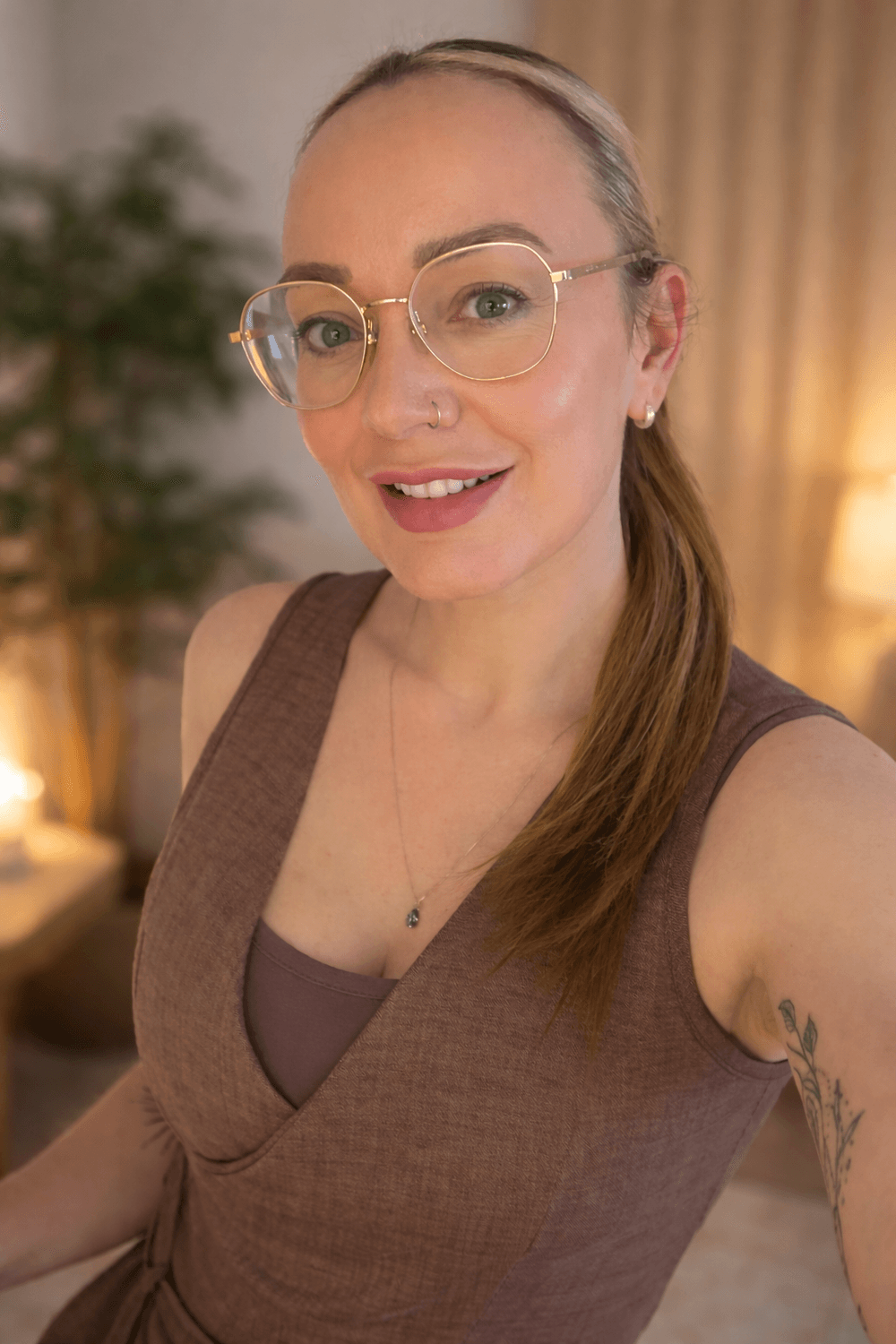
I'm Carol Anne, a therapist, clinic owner and educator with over 20 years' experience in the therapy industry. Having trained in multiple approaches to Manual Lymphatic Drainage, I've supported thousands of clients throughout their recovery.
But my understanding of post-operative care changed significantly when I became the patient myself. Following several reconstructive surgeries to the left side of my face, I experienced recovery from the other side of the treatment couch. It gave me a very different understanding of swelling, healing and just how much a person's needs can change throughout recovery.
Back in clinic, I began seeing the same challenge repeatedly. Clients were struggling to find therapists who truly understood the post-operative body. And therapists were telling me the same thing: they knew lymphatic techniques, but didn't always feel confident knowing when, why or how to adapt them.
That's why I created this diploma. To give therapists the deeper understanding of post-operative recovery that I wish existed when I first started working with these clients.
Post Op Bodies don't respond like regular lymphatic clients
After surgery:
• the skin may be lifted, moved, or repositioned
• fluid collects in new spaces
• swelling behaves unpredictably
This means:
• different approaches are needed at different stages of healing
• treatments must be adapted, not repeated
• clinical reasoning becomes essential
And then there are the things you don’t always expect:
• swelling that doesn’t resolve
• seromas
• fibrosis
• complications
These are not rare.
This is why post-operative therapists must understand:
• when to treat
• when to modify
• and when to refer
Because this isn’t a standard lymphatic protocol.
You are working with:
• wounds
• stitches
• drains
• and healing tissue
This is why this training exists
Ready to learn?
Investment: £1750
This includes:
comprehensive hybrid training
two supervised practical training days
assessment and certification
supported case study submission
ongoing support
This is not a short course.
It is an advanced training designed to prepare you for the realities of working with post-operative clients.
Post-op clients aren’t hard to find. Therapists with the knowledge to support them safely are.
How the course is delivered
This is a hybrid training designed to give you both the knowledge and practical experience needed to work confidently with post-operative clients.
You will begin with structured online theory, completed before the practical training. This gives you time to build your understanding of post-operative healing, complications, treatment planning and clinical decision-making before working hands-on.
You will then attend a 2-day in-person practical, where you will apply your learning, work through different post-operative presentations and receive guided feedback on your technique and treatment choices.
Following the practical training, you will complete a case study assessment consisting of 3 models and 3 treatments per model. This allows you to continue developing your clinical reasoning while working with real clients.
Accreditation
This course is accredited by ABT and is designed to meet recognised industry standards. On successful completion of the training and assessment, you will receive your certification and can arrange appropriate insurance to offer post-operative lymphatic care within your scope of practice.
Frequently Asked Questions
Yes. This is a post-graduate course designed for therapists who already hold a qualification in lymphatic drainage. If you’re unsure whether your qualification is suitable, you’re welcome to get in touch before booking.
Yes. The theory underpins everything you will do in practice, so it’s important this is completed before attending the in-person training.
Where possible, you will work on post-operative models.
If this isn’t available, you will work on each other using guided clinical scenarios designed to reflect real post-operative presentations.
Yes, this course is accredited by ABT, meeting recognised industry standards and supporting you in gaining appropriate insurance following completion.
Yes, provided you are working within your scope of practice and meet your insurer’s requirements.
This course is designed to support you in working safely, confidently, and appropriately with post-operative clients.
This training is designed for therapists who already hold a recognised qualification in manual lymphatic drainage.
While Brazilian sculpting or “lymph and wood” courses can offer useful techniques, they are typically focused on aesthetic outcomes and do not always include the level of anatomical and physiological understanding required for post-operative care. If you’re unsure whether your qualification is suitable, you’re welcome to get in touch before booking.